Industrial construction is not just about building a facility; it is about creating the backbone of your business operations. Whether you are expanding capacity, setting up a new manufacturing unit, or investing in long-term infrastructure, the decisions you make before construction begins can directly impact productivity, compliance, and profitability.
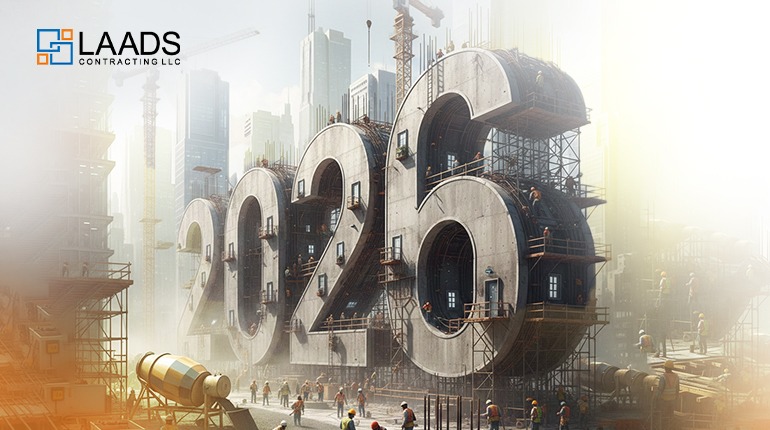
As 2026 approaches, business owners must plan industrial construction projects with greater clarity and foresight than ever before. From budgeting and design to regulations and execution, understanding what lies ahead is key to building a facility that supports growth rather than limits it.
Site Selection and Infrastructure Readiness
Site selection is not just about finding a piece of property that has a vacant area; it is about identifying site characteristics that will benefit the overall operational efficiency of a facility. The operational characteristics include access to highways and ports, power, water, and waste management. Operational efficiency may increase as a result of careful design and construction planning; however, poor site selection planning causes operational inefficiencies and added costs.
The effort required to plan and develop a site properly throughout all phases of the project ensures better utility of materials and employees and fewer accidents at the job site.
Regulatory Approvals and Compliance Management
Industrial projects are subject to multiple approvals, including environmental clearances, fire safety norms, zoning regulations, and labor compliance. Delays in approvals can significantly impact project schedules.
Engaging professionals early helps ensure documentation accuracy, compliance readiness, and timely clearances, reducing legal and operational risks.
Cost Planning with Long-Term Vision
Construction budgets for industrial buildings should include not only construction costs but also costs associated with utilities, machinery installation, and energy-saving systems, as well as ongoing maintenance of equipment and systems.
Using a realistic budget will help to develop an accurate project budget by allowing for flexibility within a budget, especially when unexpected costs arise.
Material Selection and Building Quality
The materials used to construct an industrial facility affect its safety levels, longevity, and maintainability. Selecting appropriate framing options, flooring, roofing, and fire-resistant materials will help to minimize future repair or replacement costs and downtime from the facility.
Utilizing higher-grade materials during construction greatly improves operational reliability and protects a business’s investment in the long run.
Operational Efficiency and Future Growth
Industrial facilities must be designed to meet the changing needs of their business in order to promote the development of the facility. Creating clear-span buildings, flexible layouts, and designing a facility that can grow with the company allows the company to expand its operations without significant expense or disruption.
By planning for future growth opportunities, the facility will be relevant long after it has been built.
Use of Technology and Advanced Methods
Today’s industrial construction projects often utilize digital planning tools, advanced building techniques, and prefabrication to assist in the planning and execution of a project. Because of the efficiency created through the use of technology, these methods provide more accuracy, reduce waste, and create faster turnaround times for completing a project.
Technology-based construction has improved coordination between construction teams, resulting in improved project outcomes.
Developing a plan for a new industrial construction project in 2026 requires companies to take into account their overall business strategy, engineer technical solutions, and identify an appropriate partner with an understanding of how the project fits into the long-term strategy. The decisions made during this process will dictate how successful the construction will be in meeting the overall objectives of the business.
LAADS stands out as a reliable construction company in Dubai, UAE, delivering end-to-end industrial construction solutions built on quality, compliance, and timely execution. By combining engineering expertise with practical project management, LAADS helps businesses create durable, high-performance industrial spaces designed to support growth well beyond 2026.